ADVERTORIAL
Dog Owner Stories
Colorado Grandma’s “Weird Mealtime Trick” Is Helping Dogs Across America Regain Energy, Shinier Coats, and Calmer Digestion — No Matter Their Age…
If your dog's been scratching more, slowing down, or having stomach troubles — it’s not your fault. Most vets miss this one "silent gut invader"

For Colorado grandma Linda Matthews, her 7-year-old golden retriever Bailey was more than a pet — he was family.
After years of morning walks and cozy evenings together, Linda was caught off guard when Bailey suddenly started acting differently.
In just a few weeks, his coat lost his shine, he scratched all the time, and he’d lost that playful spark that made him Bailey. It was like he’d turned into a dog twice his age.
The vet said it was nothing serious — “maybe allergies, maybe the food” — but Linda’s gut told her something deeper was going on.
“Nothing Serious,” They Said — But Linda Knew Something Deeper Was Going On...

Like many dog parents, Linda tried everything — switching foods, adding supplements, and scheduling extra vet visits. Each time, she left with the same answer: “It's nothing serious. He should be back to normal soon.”
“But when I looked into Bailey’s eyes, I could almost hear him saying, Please help me,” Linda said. “That’s when I knew I couldn’t stop looking for answers.”
Late one evening, Linda began searching online and came across a video shared by another family.
Their story sounded eerily familiar. Their dog, Max, had always been healthy and full of life. But out of nowhere, he grew weak, stopped eating, and spent most of his days lying around.
Worried, the family rushed Max to the vet. Tests came back clean. X-rays showed nothing unusual. Yet his condition kept getting worse.
The vet told them the same thing Linda had heard before — "It’s nothing serious. He’ll be fine.”
But they refused to give up. After weeks of searching, they stumbled upon research pointing to a little-known gut imbalance that was quietly affecting dogs — and an unexpected method that gave them new hope.
“Silent Gut Invader”: The Hidden Gut Imbalance Most Vets Miss...
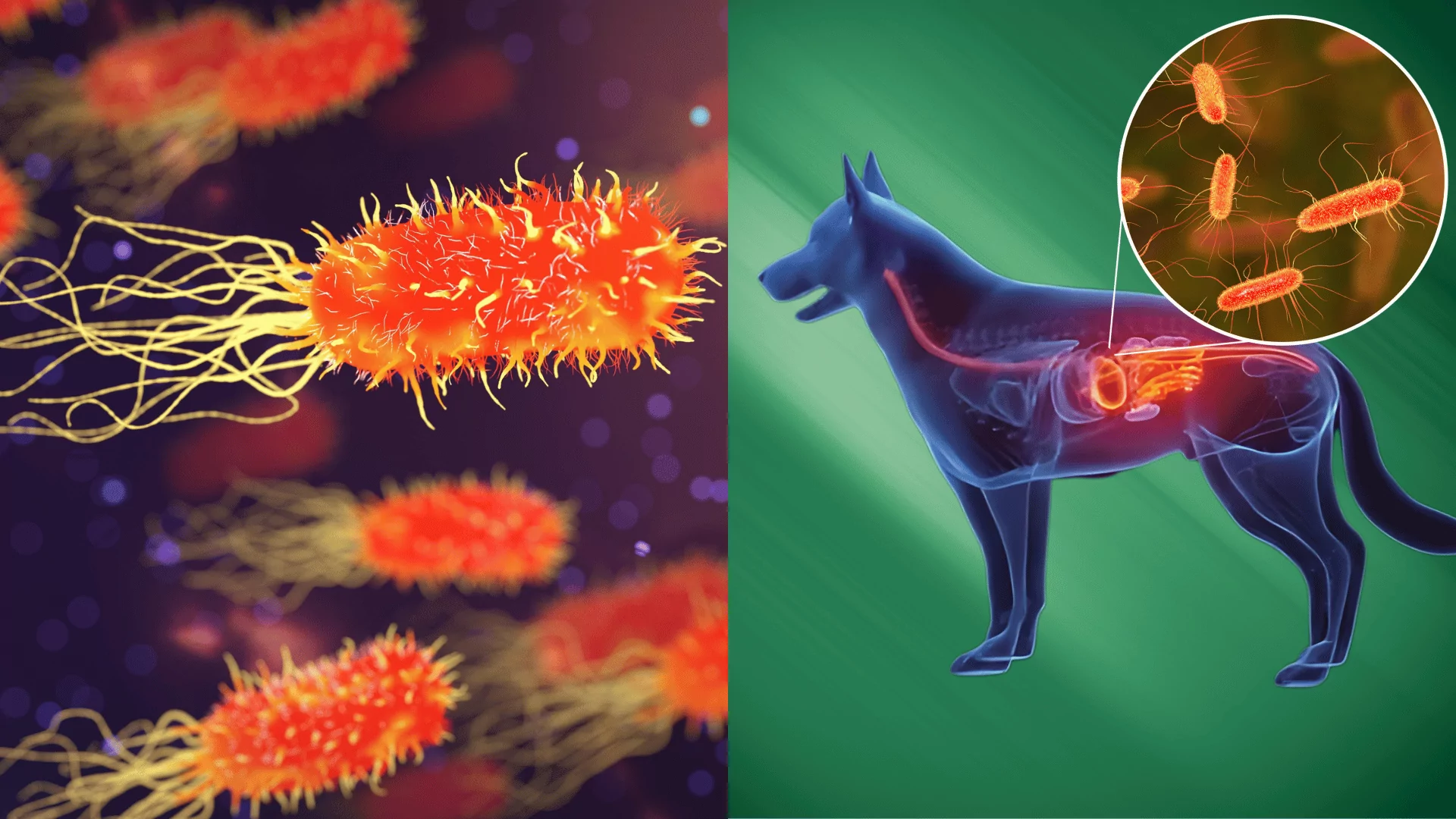
What Max’s family uncovered was surprising — and concerning for every dog parent.
Veterinary researchers now believe that many common dog issues — from itchy skin to low energy and digestive troubles — stem from a hidden bacterial imbalance deep inside the gut.
When harmful microbes quietly outnumber the good ones, it can trigger what experts call a “silent gut invader” — a chain reaction that affects digestion, nutrient absorption, and even mood and behavior. The worst part? It often goes undetected in standard tests.
This imbalance has been linked to:
- Constant scratching and dull coats.
- Low energy or loss of playfulness.
- Digestive issues like gas, bloating, or even diarrhea.
“The heartbreaking part,” Linda said after watching the video, “was realizing these weren’t just random problems. They were warning signs — and I’d been told to ignore them.”
Even more surprising, the video revealed what researchers and pet parents are now calling the "Grass & Bacon Trick” — a simple, uniquely dubbed mealtime ritual that reactivates a dog’s own natural renewal process to help restore gut balance.
Unlike prescriptions or costly procedures, this natural approach is so simple you can start it tonight to help your dog feel more energetic, enjoy a shinier coat, and experience calmer digestion.
“I Didn’t Believe It at First… But Then the Changes Began”...

“I was skeptical,” Linda admitted. “It just sounded too simple to actually work. But I couldn’t stand the thought of watching Bailey fade away without trying.”
So she gave the so-called 'Grass & Bacon Trick' a chance.
- Day 1: Nothing seemed different. Bailey still lay on his bed most of the day.
- Day 3: Linda noticed him wag his tail when she walked in — the first time in weeks.
- Day 7: He actually finished his food bowl and licked it clean.
- Day 14: His coat began to shine again, the scratching slowed, and his stomach seemed calmer after meals, with fewer messy episodes.
- By Week 3: Bailey climbed the stairs without stopping to rest.
- By Week 4: He bounded ahead of Linda, reaching the top first — tail wagging, eyes bright, like the puppy she remembered.
“I just stood there crying,” Linda said softly. “It wasn’t sadness — it was relief. It felt like Bailey had found his spark again.”
The Simple Mealtime Trick Going Viral — And Changing Dogs’ Lives Across the US....
Bailey's story is not unique. This simple mealtime trick is spreading rapidly on social media. From Facebook groups to Instagram reels, pet parents across the U.S. are sharing how their dogs have regained playful energy, shinier coats, and calmer digestion.
Linda says she isn’t surprised. “After what I saw with Bailey, how could I keep it to myself?” she said. “I tell my friends all the time — don’t brush off the small stuff. It could be your dog’s way of asking for help."
If your dog is slowing down, scratching more, or struggling with digestion, it could be a sign of something deeper. Watch the short video now before it’s taken down — it’s already helping countless dogs across the country rediscover their spark and feel like themselves again.

(Available for a limited time)

© Copyright 2025 Vital Vists. All Rights Reserved.
FDA Disclaimer: The statements made on this website have not been evaluated by the Food and Drug Administration. These products are not intended to diagnose, treat, cure, or prevent any disease in animals.
Veterinary Disclaimer: This information is provided for educational purposes only and is not intended as a substitute for professional veterinary advice, diagnosis, or treatment. Always seek the guidance of your veterinarian before giving your dog any new supplement, especially if your pet has a medical condition, is taking medication, or is pregnant or nursing.
THIS IS AN ADVERTISEMENT AND NOT AN ACTUAL NEWS ARTICLE, BLOG, OR CONSUMER PROTECTION UPDATE. Individual results may vary. The effects of probiotics and other supplements can differ depending on a dog’s age, breed, and overall health.
Marketing Disclosure: This website is a marketplace. The owner may receive compensation if you click on links or purchase products featured here.
Advertising Disclosure: This website and the products or services mentioned are part of an advertisement and not a veterinary journal or news publication. Any photos of dogs or people used on this site are for illustrative purposes only.